Monday, January 14, 2013

Point Calimere Wildlife and Bird Sanctuary

Two years ago, when I visited Chennai, I had planned to visit Point Calimere. Somehow the plan did not work. And since then I was longing to see this place. Fortunately this year I was so close enough to this place that I had no reason to miss visiting the sanctuary. Although the main objective of our trip was to visit the Cholan Dynasty temples, (how many temples can you see anyway?) I was able to squeeze in a day to visit Point Calimere. 

Painted stork at the Ramsar Site - Point Calimere
Point Calimere, also called Cape Calimere, is a low headland on the Coromandel Coast, in the Nagapattinam district of the state of Tamil Nadu, India. It is the apex of the Cauvery River delta, and marks a nearly right-angle turn in the coastline. A historic landmark here was the Chola lighthouse, destroyed in the tsunami of 2004. 

The forests of Point Calimere, also known the Vedaranyam forests, are one of the last remnants of the dry evergreen forests that were once typical of the East Deccan dry evergreen forests eco-region. The Point Calimere Wildlife Sanctuary, with an area of 24.17 km², was created on June 13, 1967. Point Calimere Wildlife and Bird Sanctuary is located where the Bay of Bengal meets the Palk Strait. The sanctuary was created in 1967 for the conservation of Blackbuck as its population was dwindling due to poaching and lack of legal protection. The sanctuary includes the cape and its three natural habitat types: dry evergreen forests, mangrove forests, and wetlands. Point Calimere homes the endangered endemic Indian Blackbuck and is one of the few known wintering locations of the Spoon-billed Sandpiper.It also holds large wintering populations of Greater Flamingos in India. The area is dotted with salt pans and these hold large crustacean populations that support the wintering bird life. (Source: Wikipedia)

One day visit to this place is not enough to see the variety of avi-fauna and the migrant population. However, we were lucky enough to get some brilliant sightings. Some of them are posted as under:

(click on the images for the enlarged view)

Greater Egret

Group of Egrets and White Ibis
Bar-headed Geese
Little Egret
Greater Egret and Painted Storks 
Eurasian Collared Dove
Shrike against the Sun
Blue-tailed Bee Eater
Sandpiper
Little Ringed Plover
Endangered Blackbuck (Male) in its lush green habitat
Spotted Doves in a row
Egret Flight
Little Tern about to capture its hunt
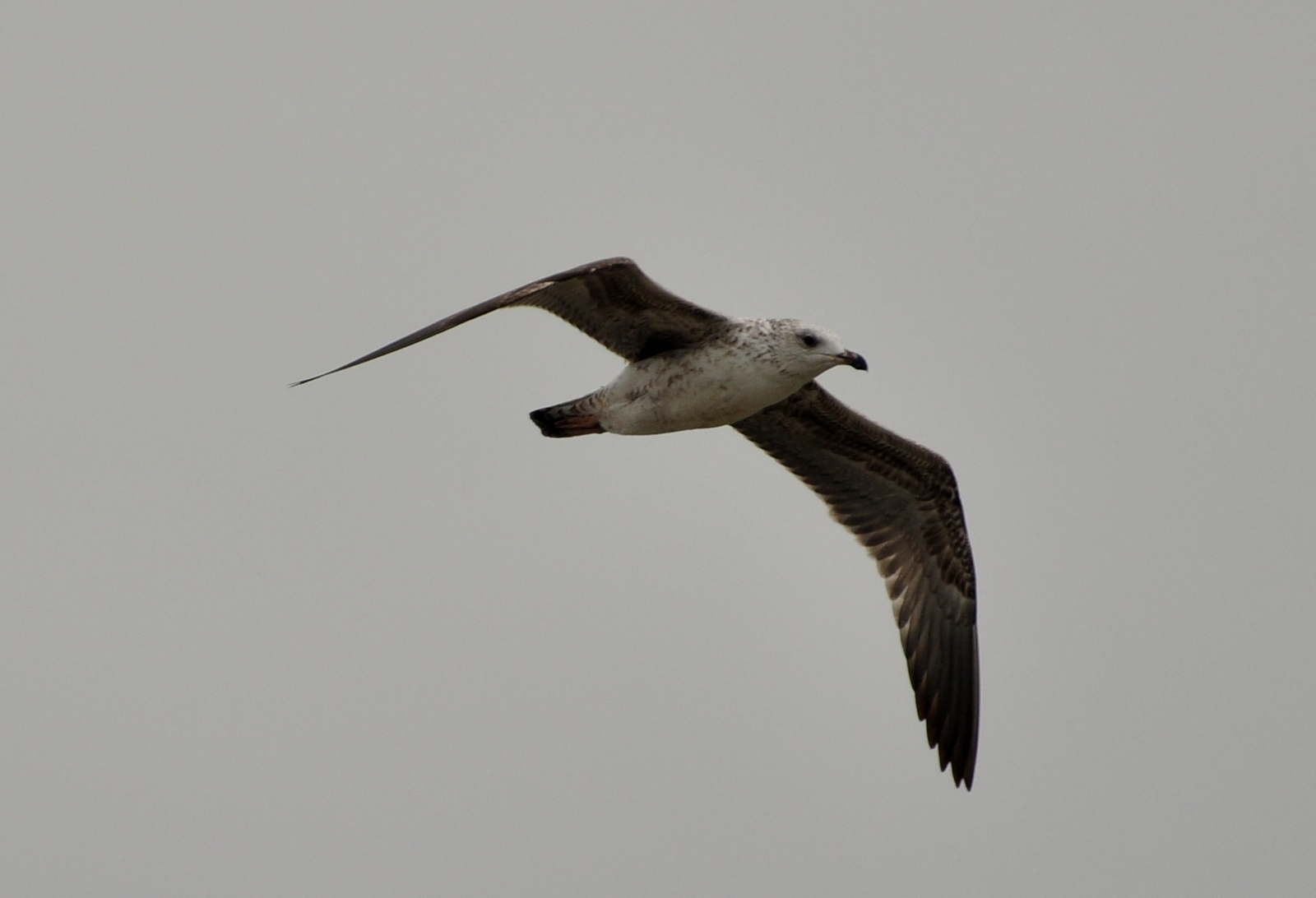
Seagull
Tern Flight
Fisherman and the Storks
Painted Stork Flight

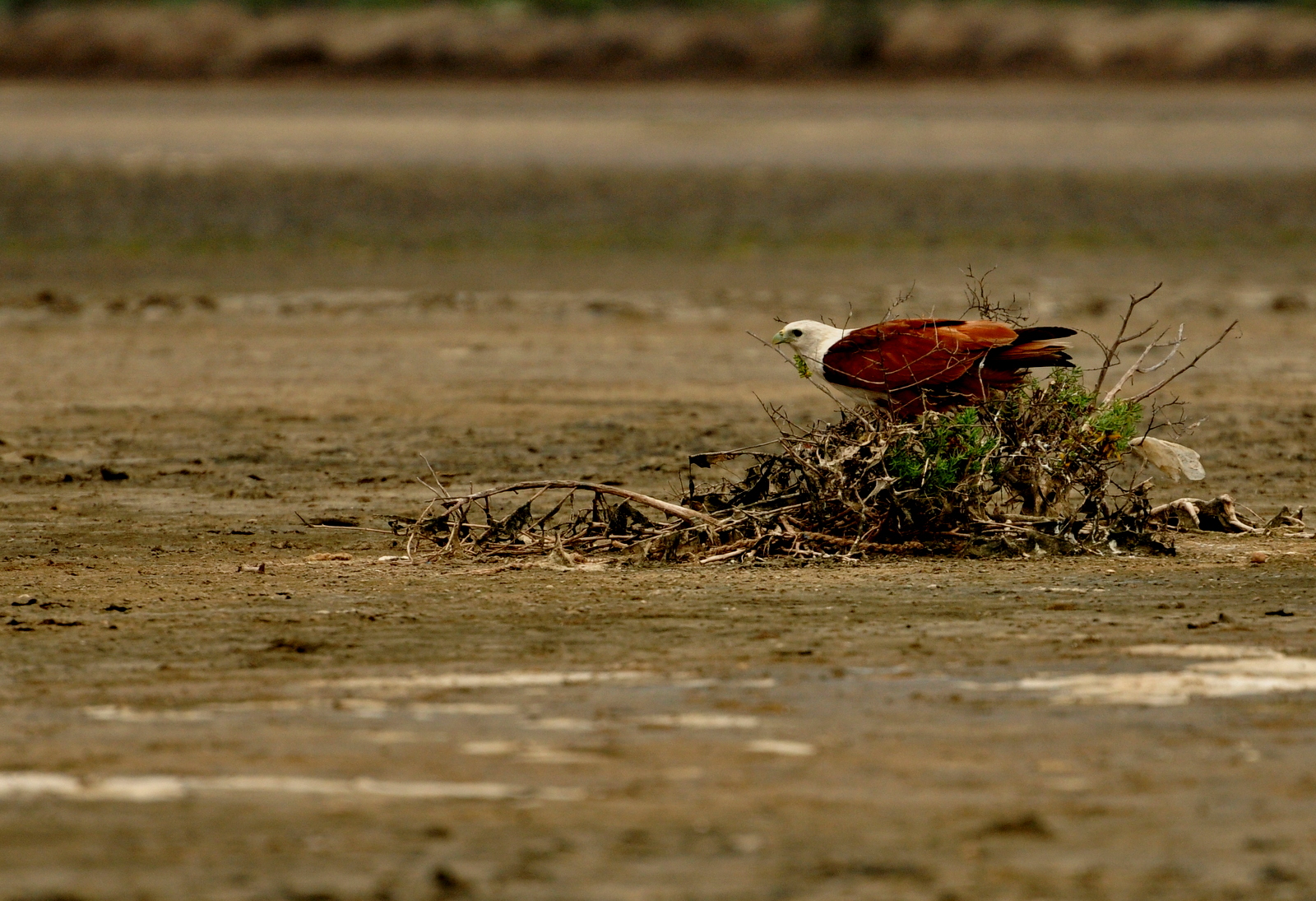
Brahminy Kite

Curlew
Seagull
Group of Godwits

Silhoutte of a Heron

Wild boars lit by sunset at the sanctuary
Sunset time
For more pictures visit my Flickr set here

(C) Srikanth Parthasarathy

Chennakesava Temple Panorama, Somanathapura

I had not visited this place only because of the fact that this place is always crowded. Just like Belur and Halebidu, this place attracts too many tourists. Last week, I had an opportunity to visit this masterpiece on a weekday and absolutely enjoyed the visit. Although there were only a few people (mostly foreigners), thanks to the school (supposed to be educational) trips, within no time the place got crowded. 

Somanathapura is a town located 35 km from Mysore city in Mysore district, Karnataka, India. Somanathapura is famous for the Chennakesava Temple (also called Kesava or Keshava temple) built by Soma, a dandanayaka (commander) in 1268 CE under Hoysala king Narasimha III, when the Hoysalas were the major power in South India.The Keshava temple is one of the finest examples of Hoysala architecture and is in a very well preserved condition. The temple is in the care of the Archeological Survey of India as a protected heritage site. (source: Wikipedia)

(Click on the photographs for the enlarged view)

All the epic stories that you know are on the walls!

Chennakesava Temple, Somanathpur

I was amazed to see those intricate carvings. The best of all.

Carvings on the walls

Gopura and its stories

Every story has a wall here and the viceversa


Panorama of the Chennakesava temple from the East 

Close up of the carvings on the walls. Absolutely marvellous

(C) Srikanth Parthasarathy

Saturday, December 29, 2012

Wide Arenas of Cholan Empire

It was a long awaited trip to visit these temples of Cholan Empire and with all the logistical difficulties we somehow managed to travel to all the major temples of Cholan Empire. That it was a season of Shabarimala and the most of these temples are very much alive, there were more tourists than expected, and I barely managed to get some shots without too many people in it. Of course it took a lot of time to get some half decent shots. That the temple complexes are so big, it gave a perfect setting for me to click and stitch some panoramic shots. Here are some of them.

(click on the pictures for the enlarged view)

12th Century Airavatesvara Temple built by Rajaraja Chola II at Darasuram

Airavatesvara Temple looking North

Airavatesvara Temple looking North-East

Carvings on the Main temple complex of GangaiKonda Cholapuram

11th Century Siva temple built by Rajendra Chola I  at the Gangaikonda Cholapuram

Ruins inside the Gangaikonda Cholapuram temple

The rear wall of the Siva Temple at Gangaikonda Cholapuram

The temple complex looking East of the Brihadeeswara Temple, Tanjavur

The wider arenas inside the temple comples of the Big Temple, Tanjavur

10th Century Brihadeeswara Temple built by Raja Raja Chola I at Tanjavur

Rear side of the Brihadeeswara Temple (looking North)
Tanjore Maratha Palace Complex built by Tanjavur Nayak Kingdom in 17th Century

(C) Srikanth Parthasarathy

Tuesday, December 18, 2012

Hoysala temples of Mosale and Anekere

Posted below are some of the panoramic shots from the heritage sites Mosale and Anekere. 

The Nageshvara-Chennakeshava temple complex (also spelt Nagesvara and Chennakesava) is an elegant example of Hoysala architecture of the early 12th century. It is located in the village of Mosale, about 10 km from Hassan city, in Hassan district of Karnataka state, India. The temple was build in 1200 A.D. during the reign of Hoysala King Veera Ballala II. 

The twin temples - Nageshvara and Chennakeshava


Sri.Channakeshava Temple at Anekere, is beautifully restored under the able Guidance of Sri. Dharmasthala Dharmadhikari Sri.Veerendra Hegde. The entrance of the temple is beautifully carved with pillars and place to sit. The temple is built in Hoysala style and has a big open space around the temple. On the top of the temple, one can find finely carved Kalasha which is unique in its style and is of the biggest in size.

Anekere Channakeshava Temple

(C) Srikanth Parthasarathy 2012